10 signs your parents may need professional home care
Subtle changes in mobility, memory and mood can signal it's time for trained support at home. Here's what to look for and how to act early.
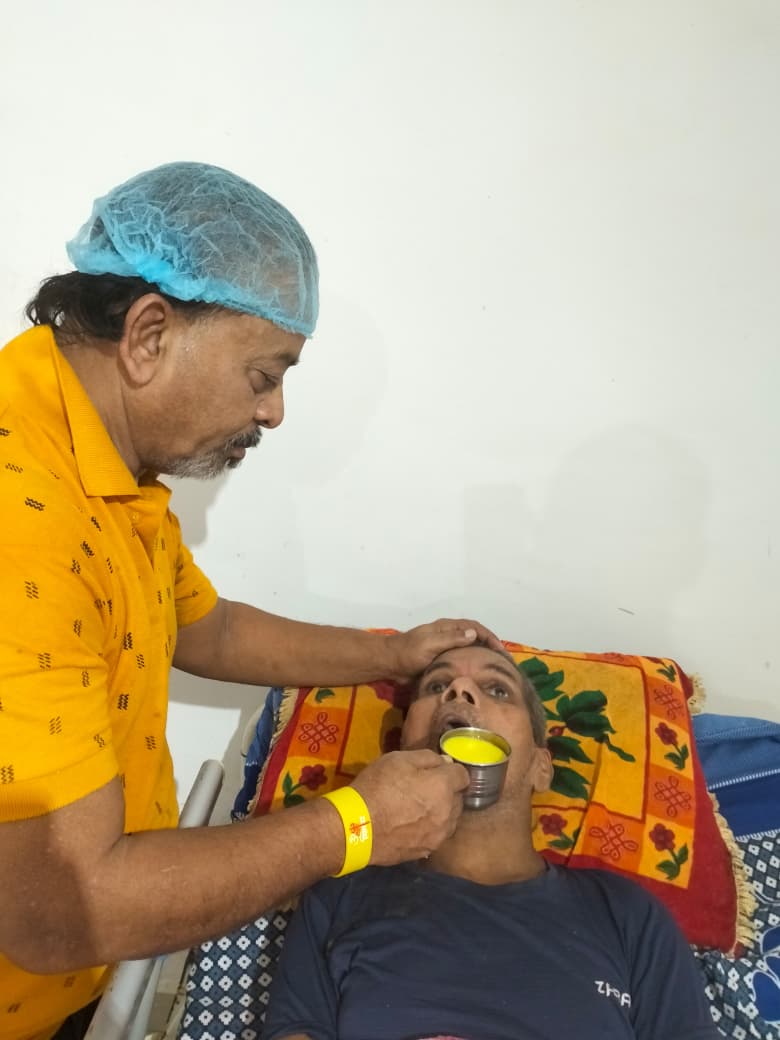
Ageing rarely arrives with a single dramatic moment. It shows up in small, easily-missed shifts — a missed medication, a slower walk to the kitchen, a forgotten appointment. For Indian families where elders often live alone or with working children, recognising these early signals is the difference between a calm, planned transition into home care and a stressful hospital admission.
Our nursing teams visit thousands of homes across Mumbai every month. These are the ten signs we most often see just before a family decides to bring in professional support.
1. Unexplained weight loss or skipped meals
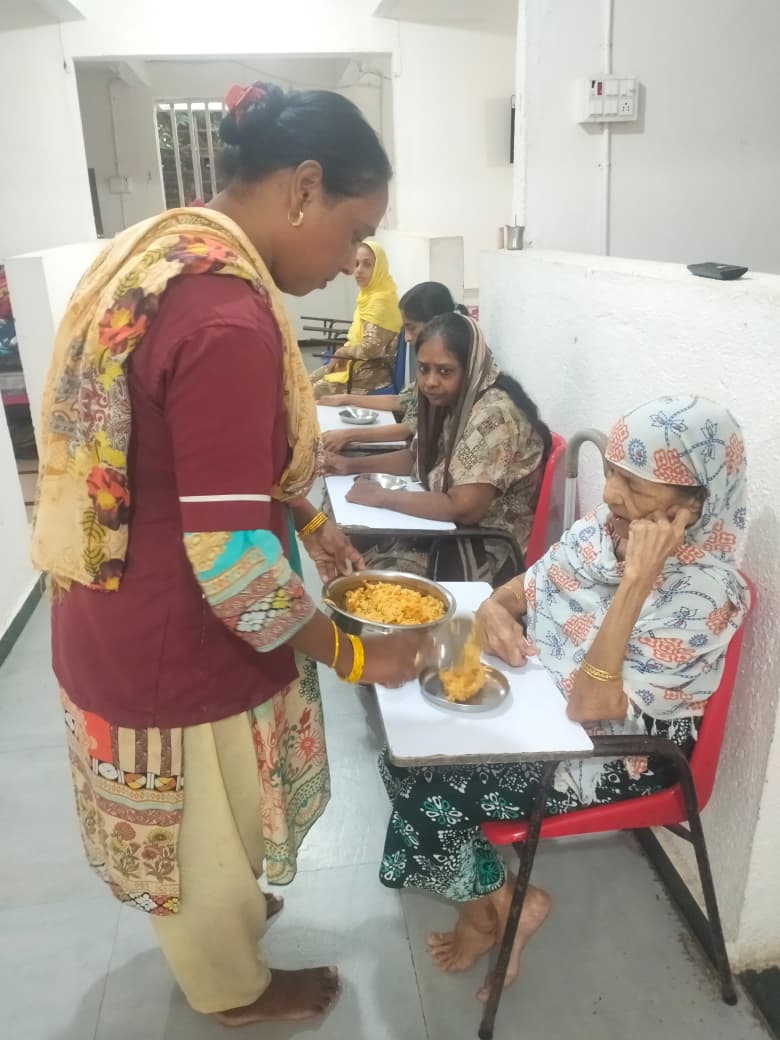
An empty fridge, untouched tiffins, or loose clothing usually means cooking has become too tiring or appetite has dropped. A trained attendant can plan meals, assist with feeding and monitor nutrition daily.
2. Difficulty with stairs, bathing or dressing
If a parent grips the wall to stand, avoids bathing, or wears the same clothes for days, mobility and balance are declining. This is the highest-risk window for falls.
3. Medication confusion
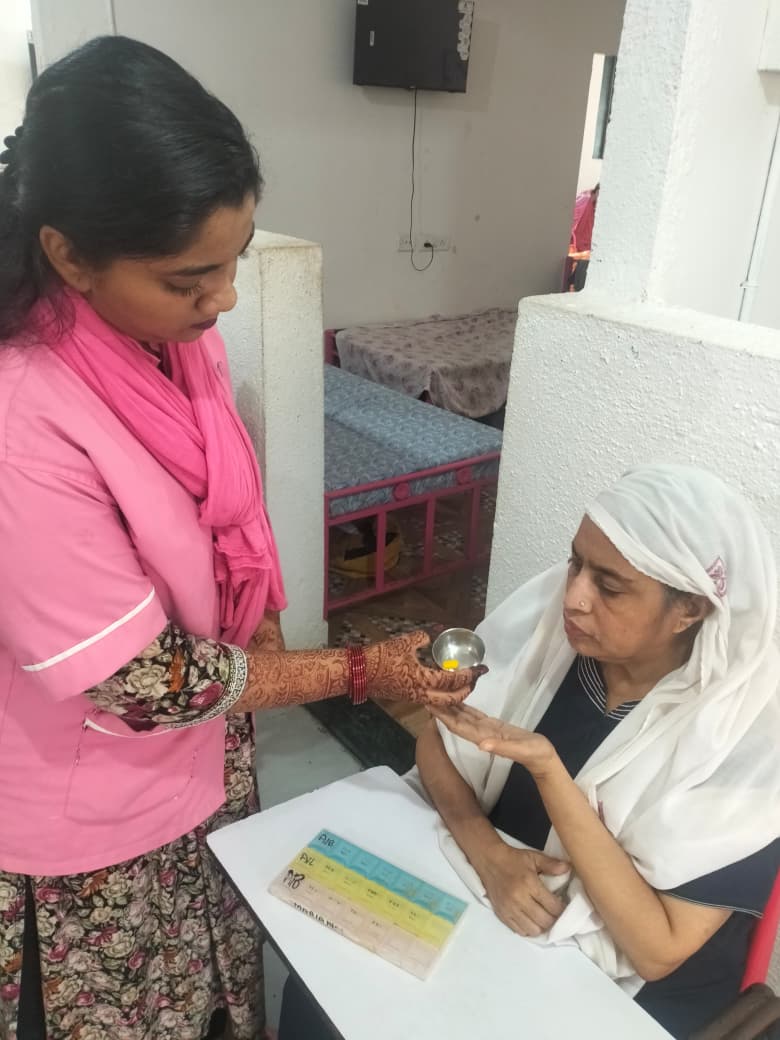
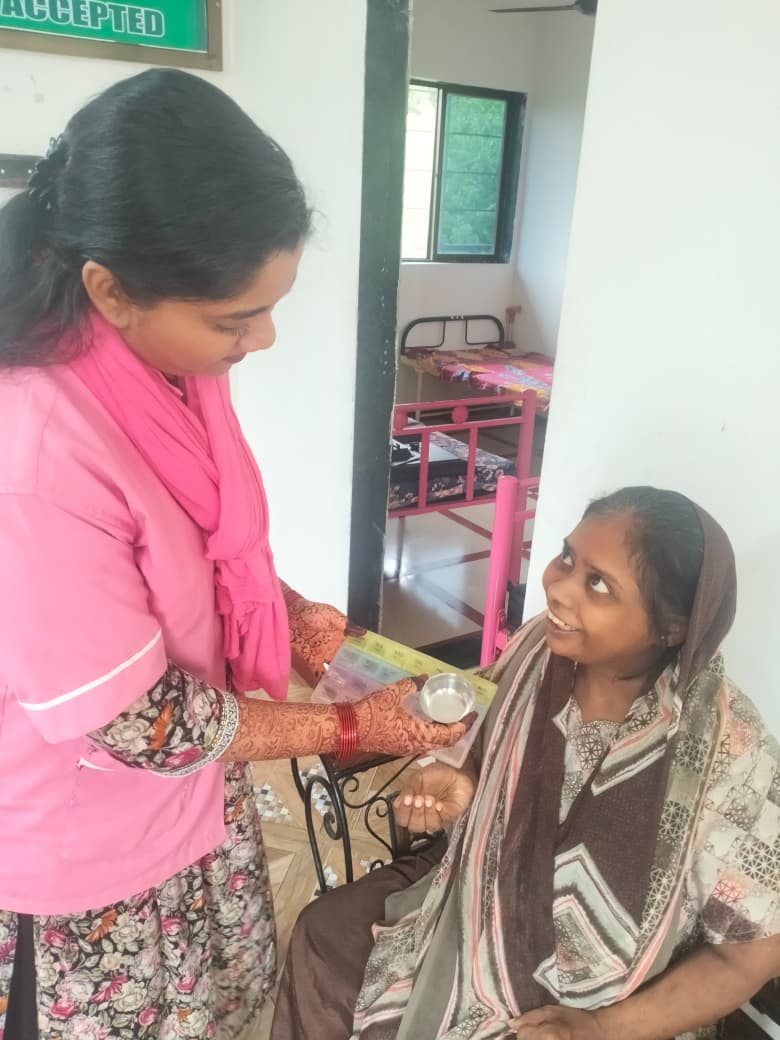
Missed doses, double doses, or expired strips on the table are a red flag — especially for diabetes, blood pressure and blood thinners. A home nurse builds a daily pill chart and supervises every dose.
4. Memory lapses and repeated questions
Forgetting names is normal. Forgetting whether the gas is off, repeating the same question every ten minutes, or getting lost on a familiar lane is not.
5. Withdrawal, sadness or sleeping all day
Depression in elders is widely under-diagnosed in India. Loss of interest in television, prayer, or grandchildren is often the first sign and responds beautifully to companionship care.
6. Recent fall — even a small one
One fall doubles the risk of another within 12 months. After any fall, a home physiotherapy assessment is non-negotiable.
7. Unpaid bills and unopened post
Disorganised finances, bounced cheques or scam calls being taken seriously point to cognitive decline that needs structured daily routines.
8. A recent hospital discharge
The first 30 days after discharge carry the highest readmission risk. Professional post-hospitalisation care at home cuts that risk by more than half.
9. The primary caregiver is burning out
If a spouse or child is exhausted, irritable or unwell themselves, the elder is at risk too. Bringing in part-time professional support protects both.
10. You are searching the internet at midnight
Trust your instinct. Families almost always sense the right moment before they admit it. A free home assessment costs nothing and gives clarity.
What to do next
Book a 30-minute home visit with one of our care managers. We assess mobility, medication, nutrition, cognition and home safety, then recommend the lightest level of support that keeps your parent safe and independent.
Need home healthcare guidance?
Speak to a care manager for a free home assessment.