Palliative care at home: dignity, comfort and emotional support
What palliative care really means, how it differs from hospice, and how families can prepare for compassionate end-of-life care.
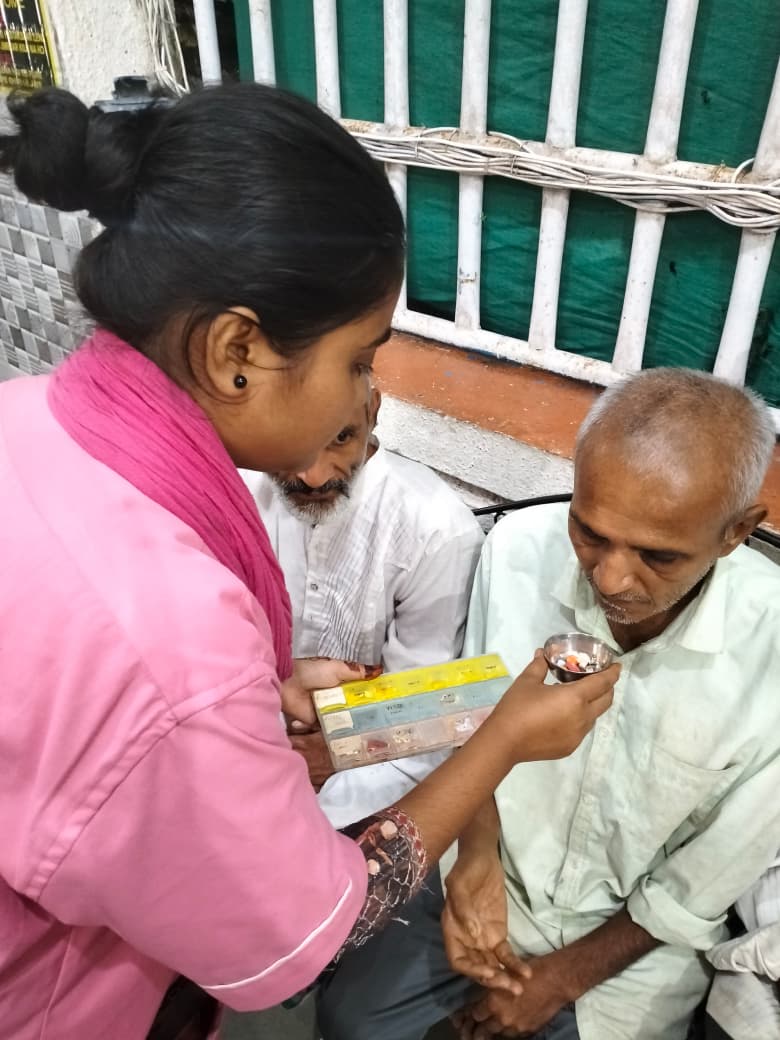
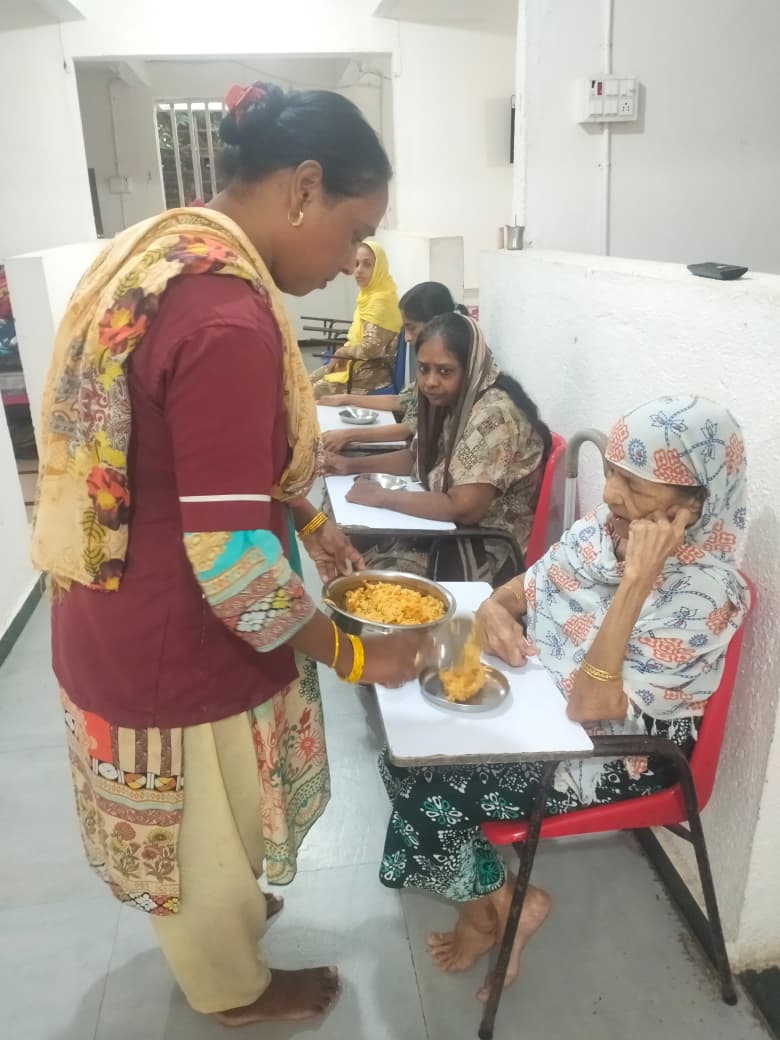
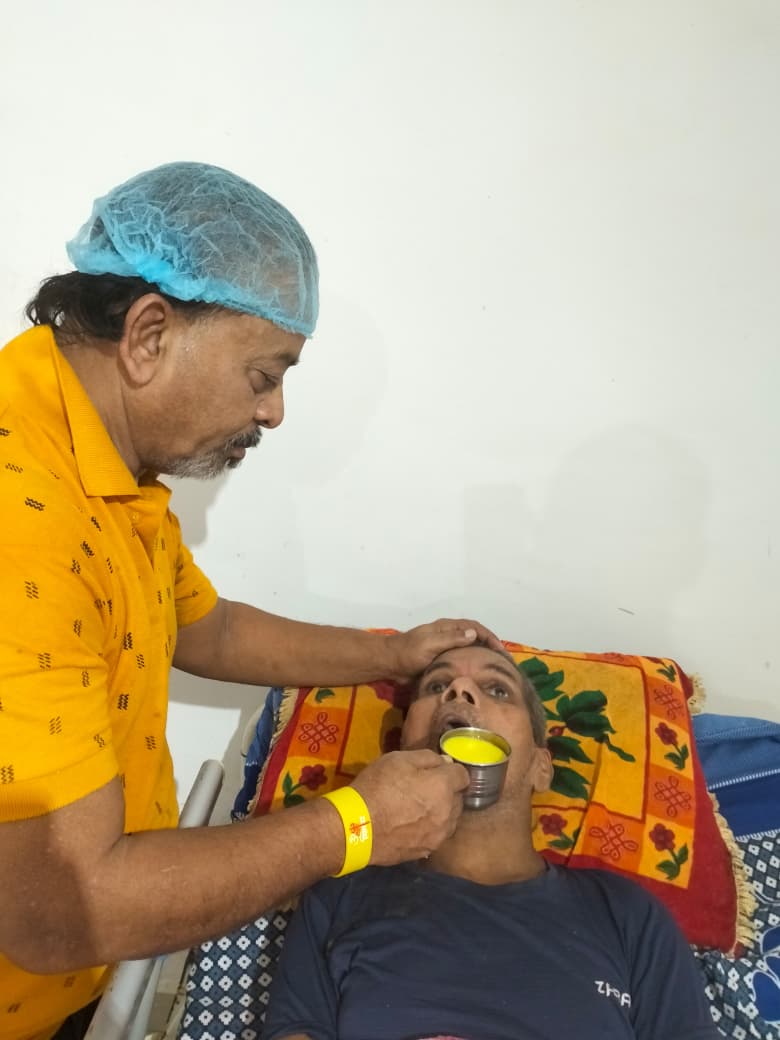
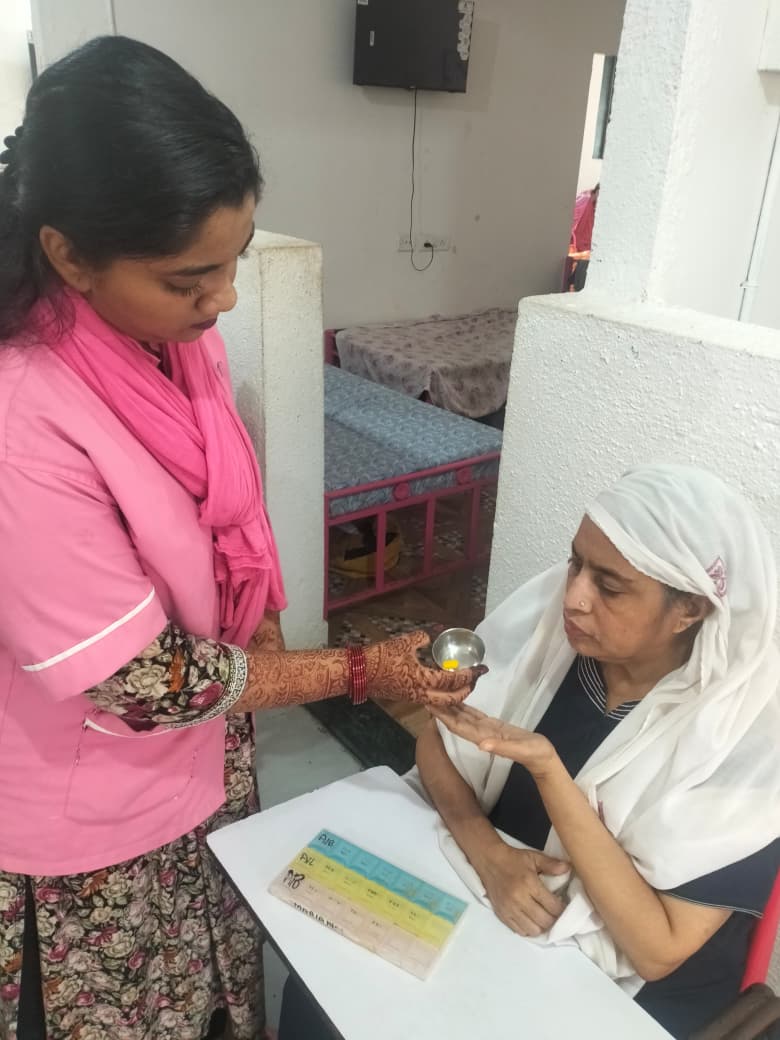
Palliative care is not 'giving up'. It is active, expert care focused on comfort, dignity and quality of life — alongside or after curative treatment. Most patients and families wait too long to ask for it.
What palliative care at home includes
- Expert pain and symptom control
- Emotional and spiritual support for patient and family
- Coordination with oncologists and primary doctors
- Practical guidance on what to expect day by day
- Bereavement support after the patient passes
Why home is the right setting
Surveys consistently show that over 80% of Indian patients with advanced illness wish to spend their final months at home, surrounded by family and familiar things. With the right team, this is entirely possible — and deeply healing for everyone involved.
Starting the conversation
If a loved one has a serious illness, ask for a palliative consultation early — not at the very end. Early palliative involvement has been shown in multiple studies to improve both quality of life and, often, length of life.
Need home healthcare guidance?
Speak to a care manager for a free home assessment.